




A sign project can look simple from the street, but the work behind it rarely is. A new storefront sign may require a site survey, branded design, structural details, electrical service, local permits, safe installation, and a plan for future repairs. The right commercial sign contractor brings those moving parts together, so your business is not left coordinating separate designers, electricians, installers, and permit offices.
For business owners and property managers in Louisville and Southern Indiana, that coordination matters. A sign needs to attract attention, fit the building, meet local requirements, and keep working through changing weather and daily use. When any one piece is overlooked, the project can slow down, cost more, or create an avoidable service issue later.
Start With the Business Goal, Not Just the Sign Type
Before selecting materials, colors, or illumination, a contractor should understand what the sign needs to accomplish. A retail storefront may need stronger visibility from a busy road. A medical office may need clear wayfinding for patients. A multi-tenant property may need a coordinated monument sign that makes every tenant easy to find without turning the site into visual clutter.
This conversation should account for viewing distance, traffic patterns, building setbacks, neighboring signs, operating hours, and your existing brand standards. A sign that looks good in a design proof can still underperform if the lettering is too small for the road, the placement is blocked by landscaping, or the illumination is not appropriate for nighttime visibility.
An experienced team will also ask practical questions early. Is there existing electrical service at the sign location? Is the building surface suitable for the planned installation? Will a landlord, property association, or franchise require approval? Addressing these points upfront prevents a promising concept from becoming a difficult field adjustment.
A Commercial Sign Contractor Should Coordinate the Whole Scope
Signage is often treated as a standalone purchase. In reality, it touches construction, electrical systems, local regulations, and long-term property maintenance. The best approach is to have one accountable team manage the work from the first conversation through installation and service.
Consultation and site evaluation
A proper site visit does more than confirm dimensions. It identifies access limitations, mounting conditions, utility locations, visibility concerns, and potential safety needs. For an existing sign replacement, the contractor should inspect the structure and electrical components rather than assuming the new sign can use everything already in place.
This is especially valuable on older buildings and commercial centers where previous alterations may not be obvious. A detailed evaluation gives you a clearer scope and reduces surprises after production has started.
Design, engineering, and fabrication
Good sign design balances branding with function. The logo, colors, typeface, lighting method, cabinet depth, and mounting system all affect how the finished sign performs. The goal is not simply to make the largest possible sign. It is to create a sign that is readable, durable, appropriate for the site, and aligned with your business.
Some projects also require engineering for mounting, wind load, foundations, or structural support. That step is not paperwork for its own sake. It helps ensure the sign is built and installed to handle real site conditions safely.
Fabrication quality matters just as much. Materials should suit the application, whether the sign is mounted to a façade, placed near a roadway, installed inside a lobby, or used to direct visitors through a larger property. Less expensive materials can make sense for certain temporary needs, but they may not be the right choice for a permanent, highly visible business sign.
Permits and code coordination
Permitting is one of the most common sources of delay for commercial signage. Requirements can vary by municipality, zoning district, property type, sign location, illumination, size, and whether the project includes new electrical work. Property owners may also have their own signage criteria.
A qualified commercial sign contractor should be prepared to coordinate permit documentation, submit required plans, and work through questions from local officials. This does not mean every permit is guaranteed or every request will be approved as initially drawn. It does mean you have a knowledgeable partner who can identify restrictions early and adjust the design when needed.
For businesses opening on a schedule, this guidance is particularly important. Permits and approvals should be treated as part of the project timeline, not as an afterthought once the sign has already been fabricated.
Electrical Work Is Part of Sign Performance
Illuminated signs depend on more than quality components. They depend on properly installed electrical infrastructure. If the circuit is undersized, connections are deteriorated, timers are not set correctly, or a building has an underlying electrical issue, even a well-built sign can fail to perform as expected.
Working with a contractor that can handle both signage and electrical work reduces the handoff between trades. The same team can assess the power source, plan the route for wiring, install required components, and troubleshoot problems if the sign is not operating correctly. That is often more efficient than having a sign installer identify an electrical issue and then asking a separate electrical company to diagnose it.
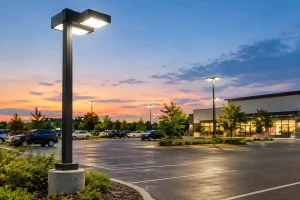
The same advantage applies during remodels, tenant build-outs, and property upgrades. When signs, exterior lighting, parking lot lighting, and electrical improvements need to work together, coordinated planning can reduce repeat visits and help keep the property looking consistent.
Installation Should Protect Your Property and Your Schedule
Installation day is where planning becomes visible. A professional crew should arrive with the right equipment, safety procedures, access plan, and understanding of the approved design. Depending on the project, that may involve lifts, traffic control, careful coordination with tenants, or scheduling work outside customer hours.
For a restaurant, retail store, or medical office, minimizing disruption can be just as important as completing the installation quickly. The contractor should communicate what areas will be affected, how long the work is expected to take, and whether temporary access changes are needed.
The job is not finished when the sign is mounted. Final testing, cleanup, secure attachment, illumination checks, and confirmation that the finished work matches the approved plan all matter. If an older sign is being replaced, removal and disposal should also be planned safely and cleanly.
Plan for Maintenance Before Something Goes Wrong
Business signs work hard. Exposure to rain, wind, temperature changes, sunlight, and everyday electrical use eventually creates wear. A partially illuminated sign, faded graphics, damaged face, or loose component can affect more than curb appeal. It can make customers wonder whether a business is open, active, or attentive to its property.
Ongoing service should be part of the contractor relationship, not a scramble after a failure. Ask how repair requests are handled, whether the company can troubleshoot both the sign and its power source, and whether replacement components can be matched to the existing installation. Responsive service is particularly important for multi-location businesses and property managers responsible for several tenants.
Not every issue requires a complete replacement. Sometimes a targeted repair, lighting update, refreshed graphic panel, or electrical correction is the more practical choice. Other times, repeated service calls are a sign that replacing an aging system will cost less over time. A dependable contractor will explain the trade-off clearly rather than pushing a one-size-fits-all answer.
Questions to Ask Before You Hire
The right contractor should be comfortable discussing the full project, including the parts you may not have considered. Ask whether they are licensed and insured, whether they manage permitting, how they handle electrical requirements, and who will be responsible for installation and future service. You should also ask about the project schedule, site access needs, warranty expectations, and what could affect the final cost.
It helps to share your deadline, budget range, branding materials, and property restrictions at the beginning. Clear information gives the contractor a better chance to recommend a solution that fits your goals instead of offering a generic sign package.
Rudnick Enterprises approaches commercial signage as a complete property and branding project, with design, permitting, fabrication, installation, electrical coordination, and service handled by an experienced local team. That kind of ownership keeps the process straightforward and gives customers one place to call when the work needs to be done right.
Your sign is often the first physical impression customers receive before they walk through the door. Choose a contractor who treats that impression, the building behind it, and the work required to keep it operating as one connected job.