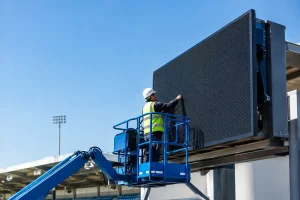




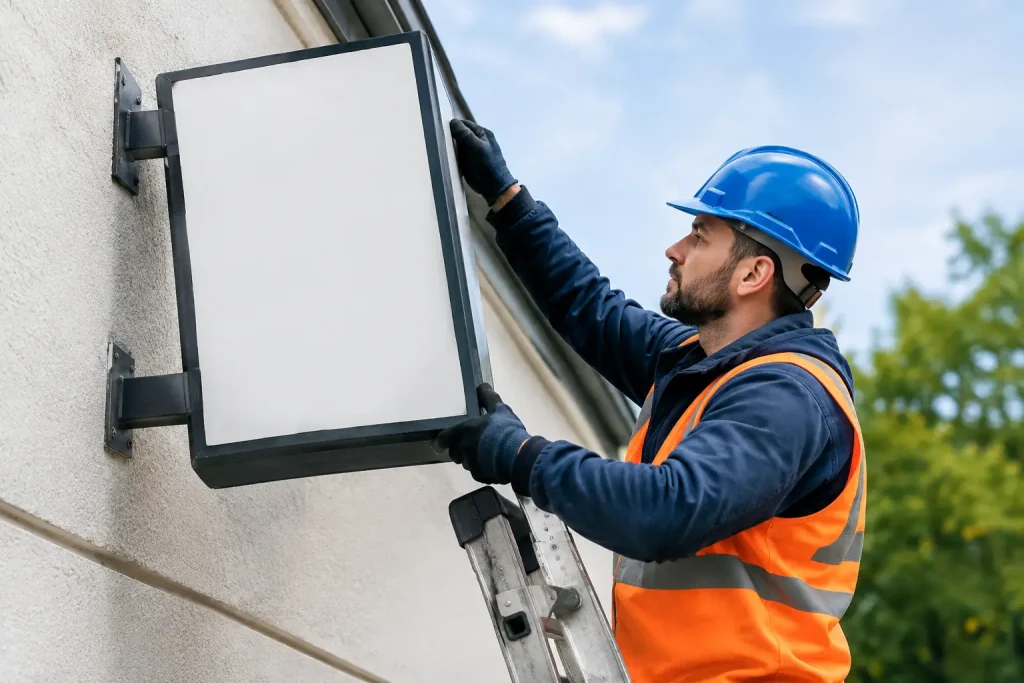
A sign can look simple from the sidewalk, but removing it is rarely a simple matter. Cabinets, channel letters, monument signs, digital displays, and wall graphics may involve live electrical connections, structural attachments, buried foundations, permits, and materials that cannot go into an ordinary dumpster. Professional sign removal and disposal protects your building, your people, and the appearance of the property after the sign is gone.
For a business relocation, rebrand, tenant turnover, renovation, or property sale, the goal is not merely to take down an old sign. The goal is to leave a safe, clean, code-conscious site that is ready for what comes next.
Why Sign Removal Requires a Careful Plan
An aging or obsolete sign can create risks before anyone begins removal. A wall-mounted sign may have corroded fasteners hidden behind the face. A freestanding sign can have a substantial concrete foundation below grade. Illuminated signs can remain connected to electrical circuits long after the lights have stopped working.
The removal approach depends on the sign type, its location, its condition, and the condition of the building or site around it. A small interior graphic is a different assignment from a multi-tenant pylon sign near a busy driveway. Access also matters. Crews may need a lift, traffic control, temporary parking restrictions, or a coordinated work window to avoid disrupting customers, tenants, deliveries, or neighboring businesses.
A qualified contractor begins by evaluating how the sign is attached and powered. That includes identifying electrical feeds, disconnects, mounting points, weight, access needs, and any visible damage to the wall, fascia, roofline, or concrete base. This early planning prevents costly surprises once work is underway.
Electrical Safety Comes First
Many commercial signs are tied into dedicated electrical circuits. Turning off a switch at the wall does not necessarily mean the sign is safe to handle. The circuit may be fed from a panel elsewhere in the building, and older installations sometimes have modifications that are not obvious from the exterior.
The power should be properly disconnected and the wiring made safe before the sign is removed. In some cases, wiring can be preserved for a replacement sign. In others, the circuit should be removed, capped, or reconfigured as part of a larger electrical update. The right decision depends on the property’s future plans and applicable code requirements.
This is where using one team for signage and electrical work can reduce the usual back-and-forth. Rather than having a sign crew remove the fixture and then waiting for a separate electrician to address the circuit, the work can be coordinated as one project. That is especially helpful when a storefront needs to reopen quickly or a vacant suite needs to be prepared for a new tenant.
Protecting the Building During Removal
Removing a sign without damaging the building takes more than unbolting hardware. Exterior signs can leave behind mounting holes, faded paint outlines, penetrations, conduit, water intrusion points, and damaged trim. A sign that has been in place for years may have concealed deterioration that only becomes visible after removal.
A careful removal crew plans for the finish work from the start. That can include sealing penetrations, removing unused conduit, patching masonry or siding, repairing fascia, and preparing the surface for paint or a replacement sign. Not every sign removal requires extensive restoration, but overlooking these details can leave a property looking unfinished and exposed to moisture.
For property managers, this is often the difference between a fast vacancy turnover and a storefront that sits visibly neglected. A clean sign removal helps protect curb appeal while the next tenant, brand, or building improvement is being finalized.
What About Sign Foundations?
Freestanding signs present a separate decision: remove the sign structure only, or remove the foundation as well. The answer depends on future site plans, lease requirements, safety concerns, and local rules.
If a new sign will use the same location and foundation, retaining the base may save time and cost, provided it is structurally appropriate for the new design. If the sign location is being eliminated, the foundation may need to be removed below grade and the area restored with concrete, asphalt, landscaping, or soil.
Leaving an unused foundation or exposed anchor bolts creates a trip hazard and can make a site look abandoned. Before removal begins, it is worth deciding what the finished area should look like, not just how quickly the old structure can come down.
Disposal Is More Than Loading a Truck
Proper sign disposal begins with separating materials where practical. Signs can contain aluminum, steel, acrylic faces, plastic components, wiring, lamps, electronic boards, and concrete or masonry materials. Some items may be recyclable, while others require specific handling based on their condition and local waste requirements.
Large signs also need to be broken down safely. A cabinet or pole section that appears manageable on the ground may be difficult to transport until it is dismantled. Controlled disassembly helps crews handle materials efficiently and keeps the jobsite clear.
For business owners, the main concern is usually simple: make sure the old sign is gone and the property is clean. That is exactly why disposal should be included in the project scope, rather than treated as an afterthought. Confirm who is responsible for hauling debris, managing recyclable materials, removing foundations if needed, and cleaning the work area before the job begins.
Permits, Landlords, and Property Requirements
Depending on the location and scope of work, sign removal may involve permits, inspections, landlord approvals, or coordination with a local municipality. A shopping center may have rules about work hours, access routes, and acceptable temporary signage. A historic district or a managed commercial development may have additional appearance requirements.
Lease language can also matter. Many leases require tenants to remove signs at move-out, repair resulting damage, and return the facade to an approved condition. Waiting until the final days of occupancy can create unnecessary pressure, particularly if a lift, electrical work, permitting, or restoration is required.
Planning ahead gives owners and managers time to make practical decisions. If a new tenant is already lined up, the old sign removal can be coordinated with the new sign design, permitting, and installation. If the suite will remain vacant, the facade can be repaired and presented professionally while leasing efforts continue.
When Repair Is Better Than Removal
Removal is not always the best answer. If a sign’s structure is sound and the issue is limited to lighting, a damaged face, faded graphics, or an outdated message, repair or retrofit may extend its useful life. Updating a sign can be less disruptive than replacing it, especially when the existing location, electrical service, and permitting situation are still suitable.
On the other hand, removal makes more sense when the sign no longer reflects the business, has recurring structural or electrical problems, blocks a redevelopment plan, or no longer meets the property’s needs. A site review can clarify whether repairs are worthwhile or whether the money would be better applied toward a new sign system.
A Better Process for Commercial Properties
A dependable sign removal project follows a clear sequence: assess the site, confirm electrical and access needs, coordinate permits or approvals, remove the sign safely, dispose of materials properly, and address the remaining wall, ground, or electrical conditions. Each stage matters because a shortcut early in the project often becomes a visible or expensive problem later.
Rudnick Enterprises helps commercial property owners and managers throughout Louisville and Southern Indiana handle these details with one experienced team. From a single storefront sign to a larger property update, the focus is on practical planning, safe work, and a finished site that looks cared for.
If an outdated sign is standing in the way of your next move, schedule removal before it becomes an emergency or a last-minute lease obligation. A well-planned project leaves your property safer, cleaner, and ready to represent whatever comes next.