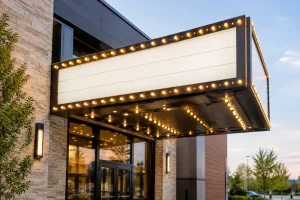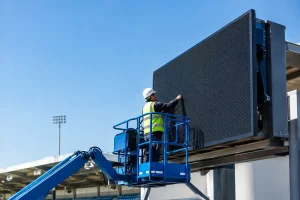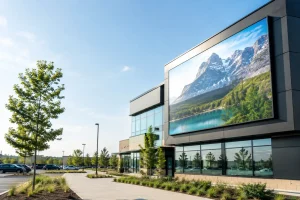




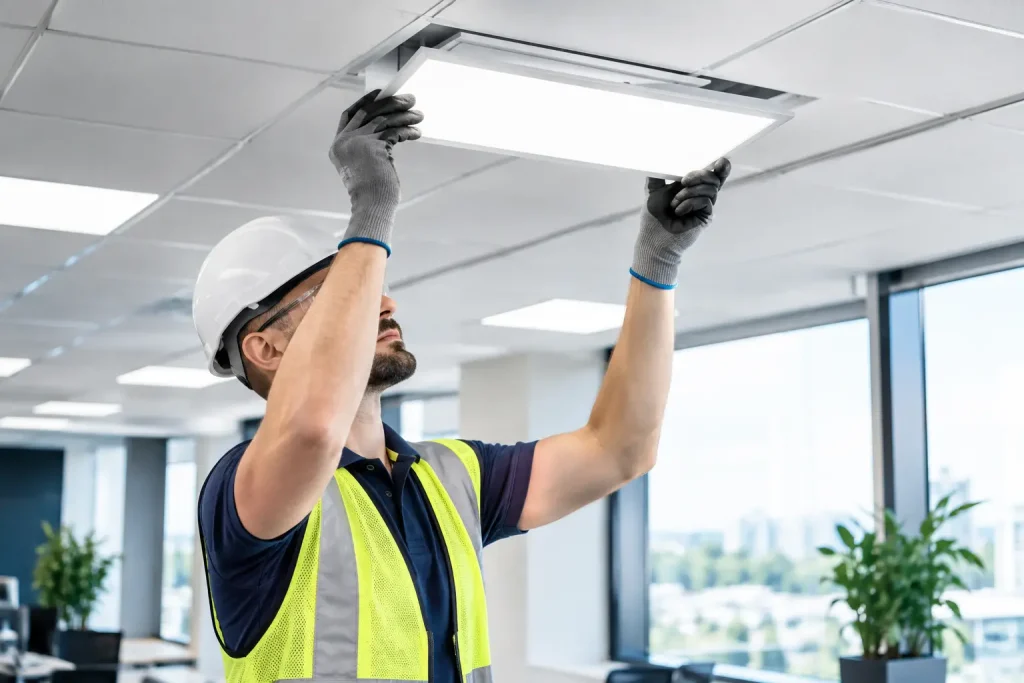
A burned-out fixture over a storefront entrance, dim aisles in a retail space, and uneven light across a parking area can feel like separate maintenance problems. Often, they point to the same opportunity: a commercial lighting retrofit planned around how your property actually operates. The right upgrade can reduce energy use, improve visibility, support safety, and give customers and employees a better impression from the moment they arrive.
For business owners and property managers, the goal is not simply to replace old lights with newer ones. It is to make smart decisions about light levels, controls, electrical capacity, installation timing, and code requirements so the finished work performs well for years.
What a Commercial Lighting Retrofit Really Includes
A commercial lighting retrofit replaces or upgrades existing lighting equipment to improve performance, efficiency, reliability, or all three. The scope may be as focused as updating interior fixtures in a small office, or as extensive as improving building exterior lighting, parking lot fixtures, tenant spaces, warehouse high-bay lighting, and illuminated building features across a larger property.
Every property has different priorities. A restaurant may need warmer, more flattering light in dining areas while improving brighter task lighting in kitchens and service corridors. A retail operator may be focused on merchandise presentation and reducing dark areas near fitting rooms. A warehouse or manufacturing facility may need consistent, high-output light that helps employees work safely without excessive glare.
That is why a fixture-by-fixture replacement approach is not always enough. A qualified electrical contractor should look at the condition of the existing system, the purpose of each space, mounting heights, operating hours, available circuits, controls, and any local requirements that affect the work.
Where the Payoff Comes From
The most obvious benefit is lower energy consumption. Older lighting systems can use considerably more electricity than current, efficient alternatives, particularly in spaces where lights run long hours. Savings can be meaningful in lobbies, common areas, garages, retail floors, warehouses, exterior walkways, and other locations that are lit well beyond the traditional workday.
Maintenance is another important part of the equation. When fixtures require frequent lamp or component changes, the cost is more than the replacement part. Staff time, lift access, service calls, and interruptions to tenants or customers add up. More reliable equipment can reduce those recurring demands, especially in hard-to-reach exterior and high-ceiling applications.
Light quality matters just as much. Better visibility can help employees see tasks clearly, help visitors navigate entrances and sidewalks, and make a property feel more cared for. For multi-tenant buildings, consistent lighting in shared areas can also support the professional appearance owners want prospective tenants to see.
A retrofit does not automatically produce savings in every situation. A relatively new system with limited operating hours may not justify a full replacement yet. In other cases, targeted improvements to the highest-use areas deliver a better return than replacing every fixture at once. The right approach depends on the age of the equipment, utility costs, maintenance history, occupancy schedule, and the condition of the electrical system behind the lights.
Start With the Property, Not the Product
It is easy to compare fixture specifications online. It is harder to determine whether those specifications will work in your actual building. Before selecting equipment, begin with a walkthrough and a clear understanding of what is not working today.
Look for repeated service calls, flickering or inconsistent light, dark paths between parking and entrances, glare at workstations, poor illumination around building numbers, or spaces where lights are left on because controls are missing or unreliable. These are practical clues that help shape the project scope.
Existing electrical infrastructure deserves the same attention. Some upgrades can use current circuits and mounting locations with minimal changes. Others may require rewiring, new controls, structural coordination, or corrections to outdated components. Identifying that work early prevents surprises after installation is underway.
At Rudnick Enterprises, this kind of assessment is handled as part of the larger project picture. When lighting work intersects with electrical repairs, storefront improvements, signage, or a remodel, one experienced team can coordinate the details instead of leaving the customer to manage separate vendors.
Match Light Levels to the Space
More light is not always better light. Excessive brightness can create glare, wash out displays, make screens difficult to see, and cause unnecessary energy use. Too little light can make a workspace feel unsafe or neglected.
A good plan considers what people do in the space. Detailed work areas need different illumination than hallways. A customer entrance needs a different balance than a loading area. Exterior lighting should help visitors identify paths, doors, and building addresses without sending distracting light into neighboring properties or nearby residences.
Color appearance also affects the experience. Some environments benefit from a warmer, more welcoming appearance, while task-oriented spaces may call for a cleaner, crisper tone. There is no single setting that works for every business.
Use Controls Where They Make Sense
Controls can improve savings, but only when they fit the way a building is used. Occupancy sensors may make sense in restrooms, storage rooms, and offices that are not occupied continuously. Timers or photocells can help manage exterior lighting. Dimming may be useful where daylight changes throughout the day or where a space serves multiple functions.
There is a trade-off. Overly complicated controls can frustrate staff and lead to lights being overridden or left in manual mode. The best setup is one employees can understand and property managers can maintain without a long troubleshooting process.
Plan Around Operations and Access
Lighting upgrades do not have to shut down a business, but installation should be planned around business hours, customer traffic, tenant needs, and safety. A retail location may prefer work before opening, while a warehouse may schedule it around production shifts. Exterior work may be best completed when parking demand is lower.
Phasing can also make a larger project more manageable. Owners may start with the areas that have the highest energy use, most frequent maintenance problems, or greatest effect on customer safety and appearance. Future phases can follow as budgets allow.
This is particularly helpful for occupied commercial properties. Clear communication about temporary access restrictions, lift placement, power interruptions, and work hours keeps tenants and staff informed. A contractor who manages these details well protects both the schedule and the customer experience.
Permits, Codes, and Exterior Considerations
Commercial lighting work can involve more than changing fixtures. Depending on the scope and jurisdiction, permits, inspections, electrical code requirements, and local site standards may apply. Exterior projects may also involve mounting methods, circuit protection, weather exposure, pole condition, and coordination with building facades or existing signs.
For properties in Louisville and Southern Indiana, requirements can vary by location and project type. Working with a licensed and insured contractor helps ensure the work is evaluated properly before crews arrive, not after a failed inspection or unexpected field condition.
It is also wise to ask whether utility incentives or other programs may apply. Availability, eligibility, and deadlines change, so these should be treated as a possible project benefit rather than the sole reason to move forward. A sound retrofit should make operational sense even when incentives are limited.
Questions to Ask Before Approving the Work
Before moving ahead, property owners should be able to get straightforward answers. Ask what fixtures are being replaced and why, how the proposed lighting level will improve the space, whether existing wiring and circuits are suitable, and what disruption to expect during installation.
Also ask about warranty coverage, access equipment, removal of old materials, controls programming, and who will handle permits or inspections when required. If the project includes a building sign, façade work, or tenant improvement, ask how those elements will be coordinated. Clear responsibilities at the start keep the job hassle-free later.
A commercial lighting retrofit works best when it is treated as a property improvement, not a quick parts swap. With a thoughtful assessment and dependable installation, the result can be lower ongoing costs, better visibility, and a facility that looks ready for the customers, tenants, and employees who rely on it every day.