



A marquee sign does more than display a business name. For a restaurant promoting a weekend special, a church sharing service times, a theater announcing events, or a shopping center identifying tenants, it gives people a clear reason to notice your property and come closer. When it is designed, permitted, installed, and powered correctly, it becomes a dependable part of how customers find you.
For Louisville and Southern Indiana businesses, the best marquee sign is not always the largest one or the most elaborate option. It is the sign that fits the site, supports the message, meets local requirements, and remains easy to maintain long after installation day.
What Is a Marquee Sign?
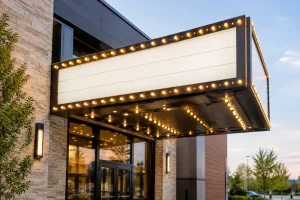
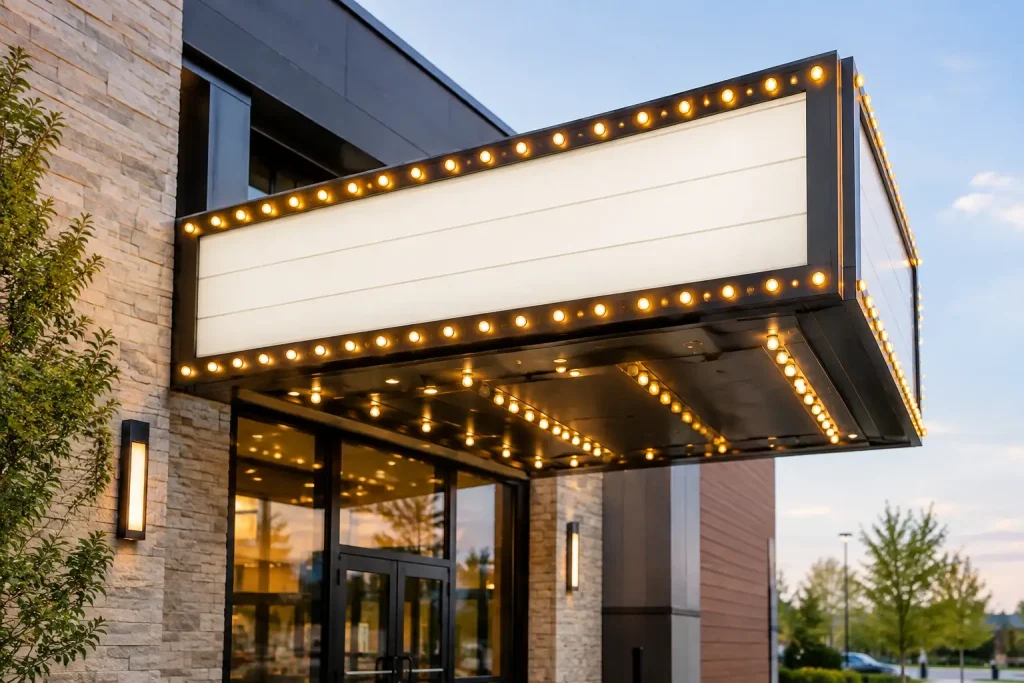
A marquee sign is a freestanding or building-mounted sign designed to display changing information. Some use changeable letters behind a clear protective face. Others use illuminated cabinets, digital message centers, or a combination of permanent branding and changeable copy.
The fixed portion typically carries the business name, logo, address, or property identity. The changeable portion can communicate hours, promotions, upcoming events, tenant information, or timely announcements. That flexibility is the main advantage. Instead of replacing a banner or ordering a new sign for every message, your team can update the information as needed.
This format is especially useful when customers make quick decisions from the road. A well-placed message can tell someone what is happening before they reach the driveway, parking lot, or storefront.
Start With the Job the Sign Needs to Do
Before choosing materials, lighting, or display technology, identify the sign’s primary job. A medical office may need a clear, professional monument-style sign that confirms the entrance and office hours. A restaurant may benefit from a message area that promotes lunch specials and live entertainment. A multi-tenant property may need to guide visitors while making open suites more visible to prospective tenants.
The viewing distance matters just as much as the message. A sign read by drivers traveling on a busy corridor needs larger copy, stronger contrast, and a short message. A sign closer to the sidewalk can include more detail, but even then, simple wording usually performs better.
Think about the message in seconds, not sentences. If a passerby cannot understand the main point quickly, adding more words rarely solves the problem. It usually makes the sign harder to read.
Changeable Letters, Digital Displays, or a Hybrid Design
Changeable-letter marquee signs remain a practical choice for organizations that update messages occasionally and want a straightforward, familiar format. Letters can be changed by staff, and the sign face protects the message from weather. This option may be a good fit for schools, churches, community organizations, and businesses with scheduled announcements.
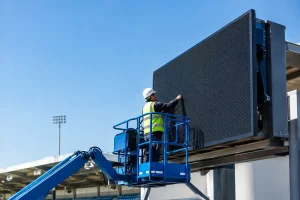
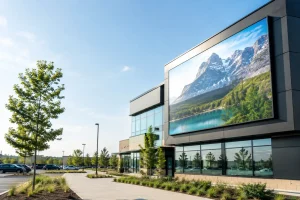
Digital message displays offer more flexibility. They can rotate messages, display time-sensitive notices, and update content without someone physically changing letters. They also require thoughtful planning. Brightness settings, display size, content controls, electrical capacity, and local regulations all affect whether a digital display is appropriate for the location.
A hybrid design can provide the best of both approaches. The permanent cabinet establishes the brand, while a smaller message center handles announcements. This keeps the overall presentation consistent while giving the business room to communicate something current.
Design for Visibility, Not Just Appearance
A marquee sign should look like it belongs on the property. The colors, logo, cabinet shape, base materials, and illumination should support the building and brand rather than compete with them. That said, visual appeal cannot replace legibility.
Use high-contrast color combinations and readable typefaces. Avoid placing too much copy into a small panel or choosing decorative lettering that becomes unclear from a distance. The business name should generally receive the strongest visual emphasis. If the sign includes a message area, make the hierarchy obvious so viewers know where to look first.
Placement deserves the same level of attention. Landscaping, parked vehicles, utility equipment, street trees, and neighboring signs can all block a sign that looked fine on a site plan. A field review helps identify those issues before fabrication begins. It also allows the installer to consider sightlines from each approach to the property, not just from one direction.
For properties with multiple entrances or tenants, one marquee may not be enough by itself. Directional signs, building identification, parking guidance, and suite signage can create a more complete wayfinding system. The goal is to make the visitor experience feel clear from the road to the front door.
Permits, Codes, and Electrical Planning Come Early
A sign project can become delayed when permitting, zoning, engineering, and electrical details are treated as afterthoughts. Communities often regulate sign height, overall area, setback distance, illumination, digital display behavior, and placement near public rights-of-way. The rules can differ from one municipality to the next.
That is why the planning stage should include a review of the local sign ordinance and property conditions. In some cases, landlord approval, shopping center design standards, or homeowner association requirements may also apply. If the sign requires a new foundation, steel support, or electrical circuit, those elements need to be coordinated as part of the same project.
Electrical work is particularly important for illuminated signs. A properly sized circuit, weather-rated connections, disconnects where required, and protected wiring help support safe operation and future service. Trying to separate the sign company from the electrical contractor can create unnecessary handoffs and confusion when a problem appears. A coordinated team can manage the visual sign work and the supporting electrical infrastructure together.
Build for Weather, Service, and Daily Use
A marquee sign is exposed to sun, rain, wind, temperature swings, and regular public attention. Materials should be selected for the site and the expected level of use. The cabinet, faces, support structure, fasteners, lighting components, and foundation all need to work together.
For a changeable-letter sign, consider how employees will access the message panel. Is it at a safe working height? Will staff need a ladder? Is there enough room to store letters and organize them? A sign that is difficult to update often ends up displaying old information, which can be worse than displaying no message at all.
For digital displays, ongoing operation is part of the investment. Staff need a clear process for updating content, and the display should be configured for readable, responsible use. Short messages, limited motion, and appropriate brightness make the sign more useful to viewers and more considerate of nearby properties.
Maintenance should be planned rather than postponed. Routine service may include cleaning faces, inspecting seals and hardware, replacing failed lighting components, checking electrical connections, and reviewing structural condition. Prompt repairs protect the sign’s appearance and help prevent a small issue from becoming a larger outage or safety concern.
A Clear Process Keeps the Project Moving
The strongest marquee sign projects begin with a conversation about the property, audience, message, budget, and timeline. From there, the work moves through design, site review, permitting, engineering when needed, fabrication, installation, and final electrical connection. Each stage affects the next, so early coordination saves time and reduces surprises.
Rudnick Enterprises handles custom signage alongside electrical and contracting work, which can simplify that process for commercial property owners and operators. Rather than coordinating separate vendors for the sign structure, power source, permits, and installation, customers can work with one experienced team that takes ownership of the details.
There are trade-offs in every project. A larger cabinet may improve visibility but trigger different zoning limits. A digital message area may offer greater flexibility but require a larger budget and more attention to content management. A monument-style installation may feel permanent and polished but require excavation, a foundation, and additional lead time. Good guidance helps you make those decisions based on the property and business goals, not just a catalog image.
A marquee sign earns its place when it is easy to see, easy to understand, and built to keep working. If your property needs clearer identification or a better way to communicate with passing customers, start with a site-specific plan. The right sign should make your next message feel simple to share and easy for people to remember.