



A tripped breaker during the dinner rush, lights dimming when equipment starts, or a new tenant asking for more power are not small inconveniences. They can be signs that your building has outgrown its electrical distribution. A commercial electrical panel upgrade gives your property the capacity and protection it needs to support current operations without gambling on an aging or overloaded system.
For business owners and property managers, the goal is not simply to install a larger panel. The goal is to understand the building’s electrical demand, correct safety concerns, meet applicable code requirements, and leave room for the next practical phase of growth. That takes planning, proper permitting, and a licensed electrical contractor who can coordinate the work around your business.
Signs Your Electrical Panel May Be Falling Behind
Electrical panels are built to last, but they are not designed to serve unlimited loads or every future use of a commercial space. Restaurants add kitchen equipment. Retailers add display lighting and digital signage. Offices add workstations, servers, and charging stations. A warehouse may install new machinery or expand into a neighboring bay. Each change places a new demand on the electrical system.
Frequent breaker trips are one of the clearest warnings. A breaker that trips occasionally may be doing its job by protecting a circuit from overload. A breaker that trips repeatedly, however, needs attention. Resetting it again and again does not solve the underlying issue and can disrupt operations when you least need it.
Other warning signs include warm panel covers, buzzing sounds, a burning smell, corrosion, damaged breakers, flickering lights, or circuits that have been added over time without a clear labeling system. Older fuse-based equipment, panels with insufficient space for additional circuits, and equipment with known reliability concerns also deserve a professional evaluation. Some issues call for a targeted repair, while others point to a larger upgrade.
A building can appear to have enough electrical service and still have a panel problem. The service coming into the property may be adequate, but the existing panelboard may be full, deteriorated, improperly configured, or unable to distribute power safely where it is needed. That distinction matters when developing the right scope of work.
What a Commercial Electrical Panel Upgrade Can Include
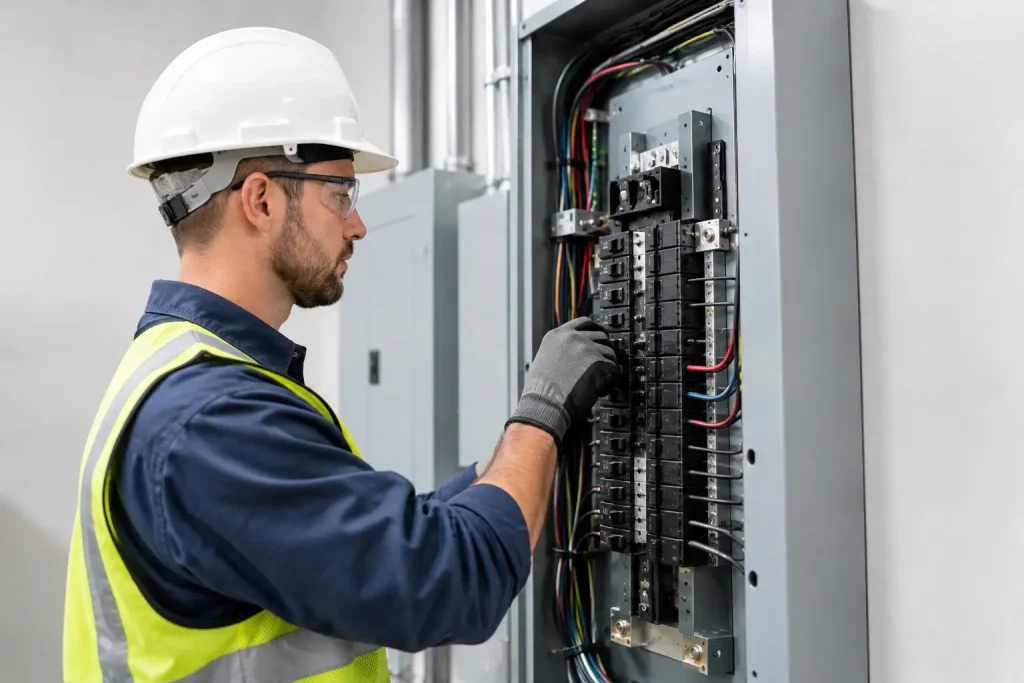
The phrase commercial electrical panel upgrade covers several possible solutions. In a straightforward project, the work may involve replacing an outdated panelboard with a modern unit that has adequate breaker space and properly rated components. In other cases, the project requires a service upgrade, new feeders, additional subpanels, meter equipment changes, or coordination with the utility provider.
A thoughtful contractor begins with a load calculation and a close look at the existing system. This helps determine how much power the property is using, what equipment is planned, and whether the incoming service can support the projected demand. It also identifies whether the issue is limited to one area of the property or affects the building as a whole.
For a multi-tenant property, the right answer may be separate metering, a new tenant panel, or added distribution capacity for a build-out. For a restaurant, it could involve dedicated circuits for refrigeration, cooking equipment, HVAC, and point-of-sale systems. A retail storefront may need reliable power for illuminated signs, interior lighting, security equipment, and future display changes.
The best approach depends on the building, the available utility service, the condition of existing wiring, and the way the space will be used. Bigger is not automatically better. Installing more capacity than the project requires can add unnecessary cost. Planning only for today’s load can force another disruptive project sooner than expected. A qualified electrical assessment helps balance both concerns.
Capacity Is Only One Part of the Decision
An upgrade is also an opportunity to improve organization, protection, and serviceability. Clearly labeled circuits help maintenance teams and future tenants understand what each breaker controls. Properly sized breakers and conductors reduce the risk of overload. Modern equipment can make it easier to isolate work areas for repairs, additions, or remodels without shutting down an entire operation.
Depending on the building and project scope, the work may also involve grounding and bonding improvements, surge protection, disconnects, emergency circuits, or code-required protection devices. These details are not extras to overlook. They are part of building a system that is safe, practical, and easier to maintain.
Plan Early for Remodels, Equipment, and Signage
Electrical work is often treated as a late-stage construction item. That can create avoidable delays. If your business is planning a remodel, new equipment, a tenant build-out, or a sign installation, electrical capacity should be reviewed early in the process.
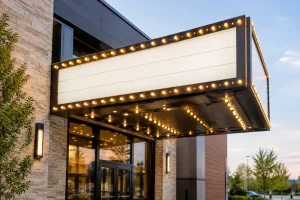
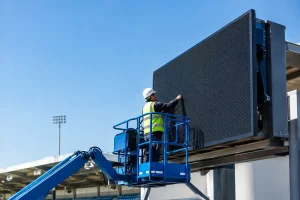
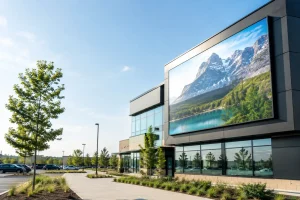
A new exterior sign or digital display may require a dedicated circuit, disconnect, conduit route, and coordination with local permitting requirements. When sign and electrical work are handled separately, a property owner can end up coordinating designs, schedules, access, inspections, and responsibility between multiple vendors. Bringing those needs into the plan from the beginning keeps the project moving and helps avoid change orders after walls are closed or finishes are installed.
At Rudnick Enterprises, our team can coordinate commercial signage, lighting, electrical infrastructure, and related construction work in one managed process. That is particularly helpful when an electrical panel upgrade is part of a larger storefront refresh, tenant improvement, or property enhancement. We make the process simple so you do not have to chase down separate answers for the electrical and visual sides of the job.
Keep Business Disruption in the Plan
A panel replacement or service upgrade may require a planned shutdown. For a business that relies on refrigeration, computers, production equipment, security systems, or point-of-sale terminals, that shutdown needs to be managed carefully.
Before work begins, your contractor should discuss when the interruption will occur, which systems must be powered down, what needs backup power, and whether the work can be staged. An office may be able to schedule a shutdown after hours. A restaurant may need to coordinate around deliveries and food storage. A multi-tenant property requires clear communication with tenants so each business can protect equipment and plan its operations.
Some projects can be completed with only a limited outage. Others require a longer utility coordination window, especially when service equipment or metering must change. The right contractor will not promise zero disruption when it is not realistic. Instead, they will give you a clear plan, communicate the steps, and work efficiently to restore service safely.
Permits and Inspections Are Part of Doing It Right
Commercial electrical upgrades typically involve permits and inspections, with requirements varying by location and project scope. These processes exist to verify that equipment ratings, conductor sizes, grounding, clearances, and installation methods meet current requirements.
For property owners in Louisville and Southern Indiana, local requirements and utility procedures can affect the schedule. A contractor familiar with the region can help coordinate the necessary details, including permit documentation, inspection timing, and utility involvement when applicable. That local knowledge helps prevent a project from stalling after equipment has been ordered or work has begun.
Do not assume prior work was permitted or that an existing panel is compliant simply because it is functioning. A professional review may uncover obsolete equipment, improper additions, missing access clearances, or conditions that should be corrected before a remodel or occupancy change moves forward.
Questions to Ask Before You Approve the Work
Start by asking what problem the proposed upgrade solves. Is the panel overloaded, physically damaged, obsolete, full, or unable to support planned equipment? You should also understand whether the quote includes panel replacement only or related items such as breakers, feeders, grounding, permits, utility coordination, and circuit labeling.
Ask how the contractor calculated future capacity and whether the design accounts for planned expansion. If you expect additional tenants, new kitchen equipment, EV charging, upgraded HVAC, or new signage in the next few years, say so early. Those plans can affect the panel size, distribution layout, and conduit routing chosen today.
Finally, ask about the outage plan and project schedule. Clear expectations are especially valuable in occupied buildings. Good electrical work is not just about what is installed inside the panel. It is also about how professionally the project is managed around the people and operations that depend on it.
A commercial electrical panel upgrade is a practical investment in safer operations, dependable power, and room to grow. If your breakers are struggling or your property is preparing for a change, an early evaluation can turn a potential interruption into a well-planned improvement that supports the business for years to come.