



A dark storefront, a tripped main breaker, or a burning odor from an electrical panel can bring business to a stop fast. When you need an emergency commercial electrician Louisville property owners and operators can rely on, the priority is not a quick guess. It is making the area safe, identifying the real cause, and restoring power or lighting in a way that protects people, equipment, and the building.
For a restaurant facing a cooler outage, a retail location with no exterior lighting, or a property manager dealing with a tenant’s electrical failure, every minute can affect revenue, security, and customer confidence. A qualified commercial electrical response brings order to a stressful situation and helps prevent a small fault from becoming a larger repair.
What Counts as a Commercial Electrical Emergency?
Not every electrical issue requires an after-hours service call. A single failed lamp or a convenience outlet that is not in use may be able to wait for scheduled service. The decision changes when there is a safety concern, a critical business interruption, or evidence that the electrical system may be damaged.
Common emergencies include a total or partial loss of power, breakers that repeatedly trip, a panel that feels hot or emits an unusual odor, sparks, damaged wiring, water near electrical equipment, or a sign circuit that has failed in a way that creates a safety risk. Failed security, parking lot, exterior, or emergency lighting can also require immediate attention, particularly at properties that remain open after dark.
Commercial buildings add complications that are easy to overlook. One circuit may serve equipment in a kitchen, a tenant space, a point-of-sale system, exterior lighting, or an illuminated building sign. The visible problem is not always the source of the fault. That is why commercial troubleshooting should begin with a careful assessment rather than replacing parts until something appears to work.
What to Do Before the Electrician Arrives
Protecting people comes first. If there is smoke, fire, active sparking, a downed line, or an immediate threat to life, evacuate the area and call 911. Do not attempt to handle electrical equipment that is wet, smoking, or visibly damaged.
For less immediate but urgent conditions, keep employees and customers away from the affected area. If it is safe to do so and you know which breaker controls the issue, turn off the affected circuit. Avoid repeatedly resetting a breaker that trips again. A recurring trip is a warning that the circuit may be overloaded, shorted, or connected to failing equipment.
It also helps to gather a few details for the service technician. Note what stopped working, when the problem began, whether construction or weather occurred beforehand, and what equipment was running at the time. Take photos of visible damage only if it can be done safely. Clear information can shorten the diagnostic process, especially at multi-tenant properties where the electrical room, meter bank, and affected space may be in different locations.
Do not use extension cords as a long-term workaround for a failed circuit. They can create overload and trip hazards, and they may not be appropriate for commercial equipment. Likewise, do not allow unqualified personnel to remove panel covers, alter wiring, or bypass a breaker to keep operations moving. Those shortcuts can turn an inconvenient outage into an injury, equipment loss, or code issue.
How an Emergency Commercial Electrician in Louisville Finds the Problem
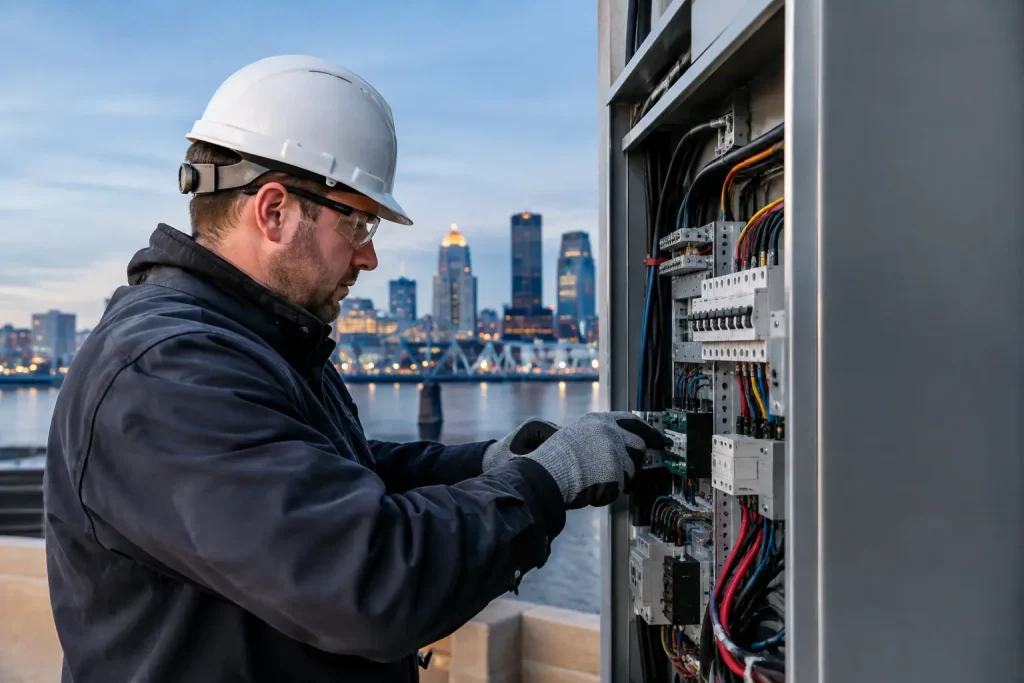
A proper emergency response is methodical. The electrician starts by confirming the scope of the outage and checking for hazards. From there, the work may include testing power at the panel, tracing the affected circuit, inspecting disconnects, checking connections, and evaluating the equipment attached to the circuit.
The repair depends on what the testing reveals. A tripping breaker could be caused by an overloaded circuit, a damaged receptacle, moisture intrusion, a failed motor, loose connections, deteriorated wiring, or a problem inside the electrical panel. Exterior lighting and sign circuits are especially exposed to weather, physical damage, and aging components. Repairing only the visible fixture without finding the source can lead to another outage soon after.
In some cases, the safe answer is a temporary shutdown of nonessential equipment while repairs are completed. That can be frustrating when a business is open, but it is often the right trade-off. A dependable contractor should explain what is known, what still needs testing, and what options are available to restore service safely.
For older buildings, an emergency can reveal a broader issue that was already developing. Undersized circuits, obsolete equipment, crowded panels, or repeated tenant modifications can leave little margin for current electrical demands. The immediate repair should get the operation stable, then a clear recommendation can help the owner plan a practical next step instead of waiting for the next disruption.
Commercial Properties Have Different Priorities
An electrical failure does not affect every business the same way. Restaurants and hospitality properties may need to protect refrigerated inventory, kitchen equipment, guest safety, and operating hours. Retail operators may be focused on lighting, point-of-sale systems, security, and a professional storefront appearance. Offices and medical-related facilities may need to protect computers, communications, specialized equipment, and tenant operations.
Property managers often have another layer to manage: determining whether the issue is in a tenant’s equipment, a shared building system, or the utility service. Fast documentation and clear communication matter just as much as the repair. A contractor familiar with commercial environments can coordinate access, identify the responsible system, and provide a useful path forward for the owner or manager.
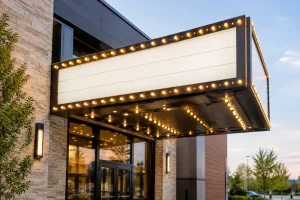
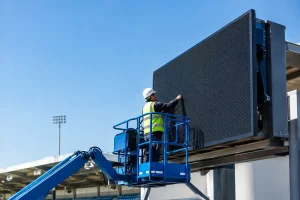
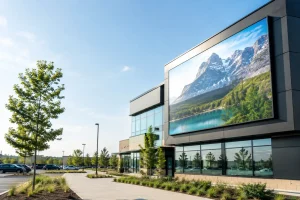
At a multi-tenant center, exterior lighting and signage can be more than an appearance issue. They affect visibility, navigation, safety, and leaseholder satisfaction. Rudnick Enterprises can address electrical troubleshooting alongside lighting and sign-related needs, reducing the need to coordinate separate vendors when systems overlap.
When Power Is Back, Ask the Right Questions
Restoring service is the first goal, but it should not be the final conversation. Ask what caused the failure, what was repaired, whether other circuits or equipment should be inspected, and whether the affected system meets current operating needs. If a breaker tripped because a circuit is routinely overloaded, simply resetting it does not solve the underlying problem.
A brief post-repair review can be especially valuable after a weather event, remodel, tenant turnover, or equipment upgrade. New refrigeration units, kitchen appliances, display systems, computers, and lighting loads can change how a building uses power. What worked several years ago may no longer be enough.
Preventive service is not about replacing working equipment without reason. It is about finding wear, loose connections, loading concerns, and exposed components before they create downtime. For businesses with illuminated signs, exterior lighting, or multiple tenant spaces, planned inspections can also help maintain a polished property and reduce surprise service calls.
Choose a Contractor Prepared for Commercial Work
Emergency electrical work is not the time to settle for vague answers or an incomplete repair. Look for a licensed and insured contractor with commercial troubleshooting experience, a clear approach to safety, and the ability to explain the issue in plain language. Local familiarity also helps when a project involves permits, code requirements, service access, or coordination with other building systems.
It is reasonable to ask about the expected diagnostic process, whether temporary measures are appropriate, and what documentation will be provided after the visit. The best response may be a straightforward repair, or it may uncover an upgrade that should be scheduled soon. Either way, you should understand the reason for the recommendation and the practical impact on your property.
Electrical emergencies rarely arrive at a convenient time. Keep the affected area secure, avoid risky workarounds, and bring in a qualified commercial team that can diagnose the problem carefully. A safe, well-explained repair gives your business a better chance to reopen, stay visible, and move forward with confidence.