



A restaurant adds new kitchen equipment, a retail center welcomes another tenant, or an office replaces dated lighting. Each change can expose a problem that has been building quietly behind the walls: the electrical system no longer matches the way the property operates. Commercial electrical upgrades address that gap before it becomes a tripped breaker, failed inspection, dark storefront, or costly interruption to business.
For owners and property managers in Louisville and Southern Indiana, the right upgrade is rarely just about replacing a panel. It is about making sure power capacity, distribution, lighting, controls, signage, and safety equipment work together for the building you have now and the plans you have next.
Signs Your Commercial Electrical System Needs Attention
Electrical systems often show warning signs long before a complete failure. Frequent breaker trips are one of the clearest examples, especially when they happen after new equipment is installed or during peak operating hours. A breaker that trips is doing its job by protecting the circuit, but repeated trips deserve a professional evaluation rather than a larger breaker installed as a quick fix.
Flickering lights, outlets that feel warm, buzzing panels, damaged wiring, and unexplained power loss also warrant attention. So do older panels with limited available space for new circuits. A building may still have power every day while lacking the capacity to safely support a tenant improvement, equipment upgrade, illuminated sign, or expanded work area.
Not every issue requires a major overhaul. Sometimes the answer is a targeted circuit repair, a new dedicated circuit, an updated disconnect, or a lighting retrofit. The scope depends on the building’s existing service, current loads, future demand, condition of the equipment, and applicable code requirements. A site visit and load review replace guesswork with a practical plan.
Commercial Electrical Upgrades That Support Daily Operations
A thoughtful electrical project starts with how people actually use the property. A warehouse has different needs than a restaurant. A medical office has different priorities than a multi-tenant retail center. The goal is to improve the infrastructure without paying for work that does not serve the operation.
Service, panels, and distribution
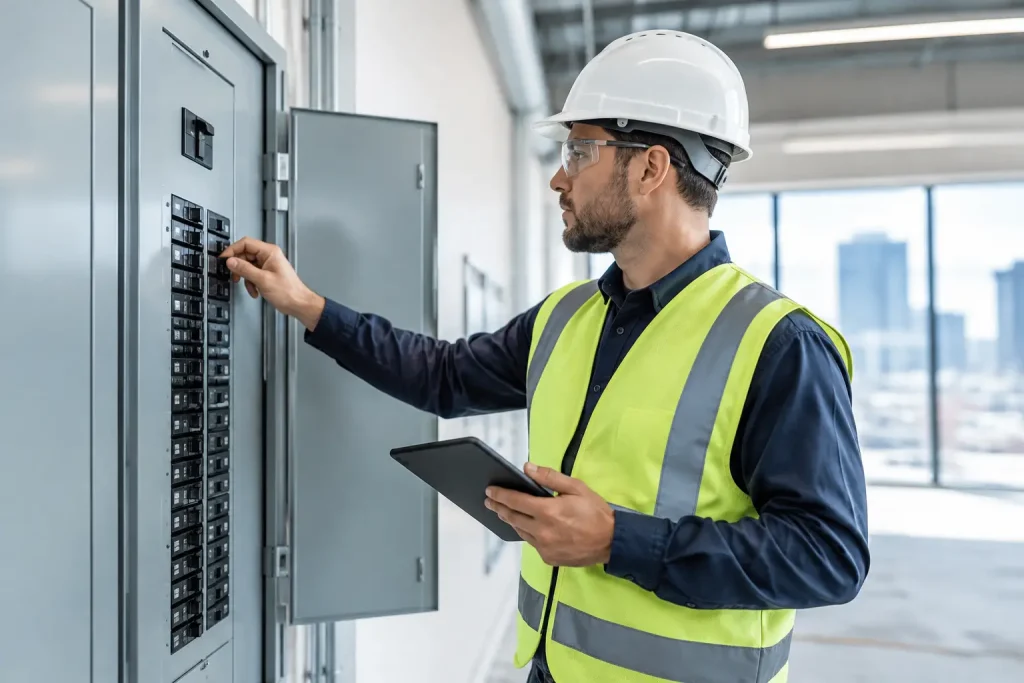
When a property’s incoming electrical service or main panel cannot support added demand, upgrades may include a service increase, panel replacement, new feeder conductors, subpanels, or additional distribution equipment. This work can create room for new HVAC equipment, commercial kitchen appliances, production equipment, tenant build-outs, vehicle charging, or expanded office technology.
Capacity is only one consideration. Clear labeling, accessible equipment, properly sized conductors, and organized circuit distribution make future service easier and help reduce downtime when a problem occurs. For multi-tenant buildings, separating and identifying circuits can also simplify maintenance and clarify responsibility among tenants and owners.
Dedicated circuits for equipment
Commercial equipment should not be added casually to an already crowded general-use circuit. Refrigeration, kitchen equipment, point-of-sale systems, computers, exterior equipment, and specialized machinery may need dedicated circuits or specific disconnecting means. Proper planning helps protect sensitive equipment and keeps one malfunction from taking down unrelated areas of the business.
This is particularly important during renovations. A space that once housed a small office may now become a salon, restaurant, clinic, or retail store with an entirely different electrical load. Reviewing the intended use early prevents expensive wall openings and schedule changes later in the project.
Lighting and lighting controls
Lighting upgrades can improve visibility, employee comfort, customer experience, and operating costs at the same time. Replacing aging fixtures with efficient LED lighting is a common starting point, but fixture selection matters. Brightness, color temperature, beam spread, mounting height, task requirements, and control options should fit the space rather than follow a one-size-fits-all specification.
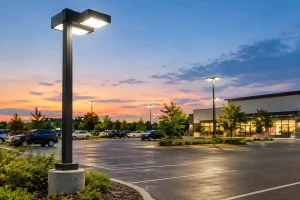
A retail sales floor may need crisp, even lighting that presents merchandise well. A parking area needs dependable illumination that supports visibility and security. An office may benefit from lighting controls that reduce unnecessary energy use in conference rooms, storage areas, and other intermittently occupied spaces. Exterior lighting, building lighting, and sign illumination should be considered together so the property looks consistent after dark.
Emergency and exterior systems
Emergency lighting, exit signs, exterior fixtures, and electrical connections for building signage play a direct role in safety and access. These systems are easy to overlook because they operate in the background, but they need dependable power, proper installation, and ongoing service.
For a commercial property, an electrical upgrade may include correcting damaged exterior conduit, replacing weathered fixtures, adding lighting where customers enter the building, or providing the electrical infrastructure for a new sign installation. Coordinating this work with a single qualified contractor can reduce scheduling conflicts between electrical and signage teams.
Why Planning Commercial Electrical Upgrades Early Saves Time
The best time to evaluate electrical capacity is before finalizing a lease, signing off on a remodel layout, ordering equipment, or approving a sign design. Once walls are closed, equipment is delivered, or a storefront has a fixed opening date, electrical changes become more disruptive and more expensive.
Early planning allows the contractor to review the existing system, identify likely limitations, and coordinate permit and inspection requirements. It also gives owners time to consider practical decisions, such as whether to prepare for future expansion now or only build for current demand. Adding spare capacity can make sense in a growing operation, but it is not automatically necessary for every property. The right choice depends on projected use, budget, and the condition of the existing infrastructure.
Permit requirements vary by project and jurisdiction. Commercial electrical work may require permits, inspections, utility coordination, engineering input, or property-owner approval. A licensed and insured contractor who understands the local process can help manage those details and keep the work moving in the right sequence.
What a Well-Managed Upgrade Process Looks Like
A reliable contractor should begin by listening to the business need, not by selling the largest possible project. Is the immediate concern safety? Is a tenant bringing in equipment with higher electrical demand? Are exterior lights failing? Is a new sign planned for a building with limited available circuits? The answer shapes the scope.
From there, the work should be clearly defined. That includes the equipment being installed or replaced, the areas affected, expected interruptions, permit responsibilities, and any related construction work. For occupied businesses, scheduling matters just as much as technical skill. Some tasks can be completed during off-hours, while others may require a planned outage coordinated around operating needs.
At Rudnick Enterprises, electrical, lighting, signage, and related contracting work can be coordinated through one experienced team. That is especially helpful when a project involves a storefront refresh, new illuminated branding, remodel electrical work, and exterior lighting at the same location. Instead of managing separate vendors and hoping their schedules align, property owners have one point of contact focused on getting the details done right.
Budget Factors to Discuss Before Work Begins
The cost of an electrical upgrade is tied to more than the equipment itself. Access to existing wiring, panel location, ceiling type, trenching needs, building age, service capacity, utility involvement, permit requirements, and after-hours scheduling can all affect the final scope.
A lower initial price is not always the lower-cost choice over time. Reusing inadequate wiring or skipping needed capacity can lead to repeat service calls, delayed openings, and disruption when the next tenant improvement arrives. On the other hand, replacing every electrical component simply because a building is older may not be necessary. A clear assessment helps separate genuine needs from optional improvements.
Ask for a scope that explains what is included, what assumptions were made, and what could change if concealed conditions are found. This creates a better basis for comparing proposals and reduces surprises once work begins.
Keep the System Ready After the Upgrade
Commercial electrical work is not always a one-time event. Panels, circuits, lighting, and exterior equipment should be checked as the building changes. Keep panel directories current, address damaged fixtures quickly, and schedule service when lights flicker, breakers trip, or equipment begins operating inconsistently.
If you are planning a renovation, adding equipment, updating exterior lighting, or preparing a new sign installation, bring the electrical conversation in early. A capable local team can help you make practical decisions before small limitations become business interruptions.