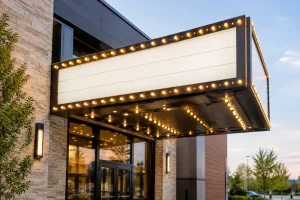




An electronic message center gives your property a way to speak to customers before they reach the door. A restaurant can promote lunch specials before noon. A retail store can announce an event, a new product, or adjusted hours. A multi-tenant property can direct visitors to the right entrance or highlight available space without replacing a permanent sign every time the message changes.
For businesses in Louisville and Southern Indiana, the right digital display is not simply a screen mounted near the road. It is a commercial sign system that has to fit your site, your brand, local requirements, electrical capacity, and the way people actually approach your property. Planning those details early is what helps the finished sign look professional, stay readable, and perform reliably.
What Is an Electronic Message Center?
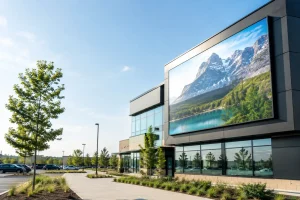
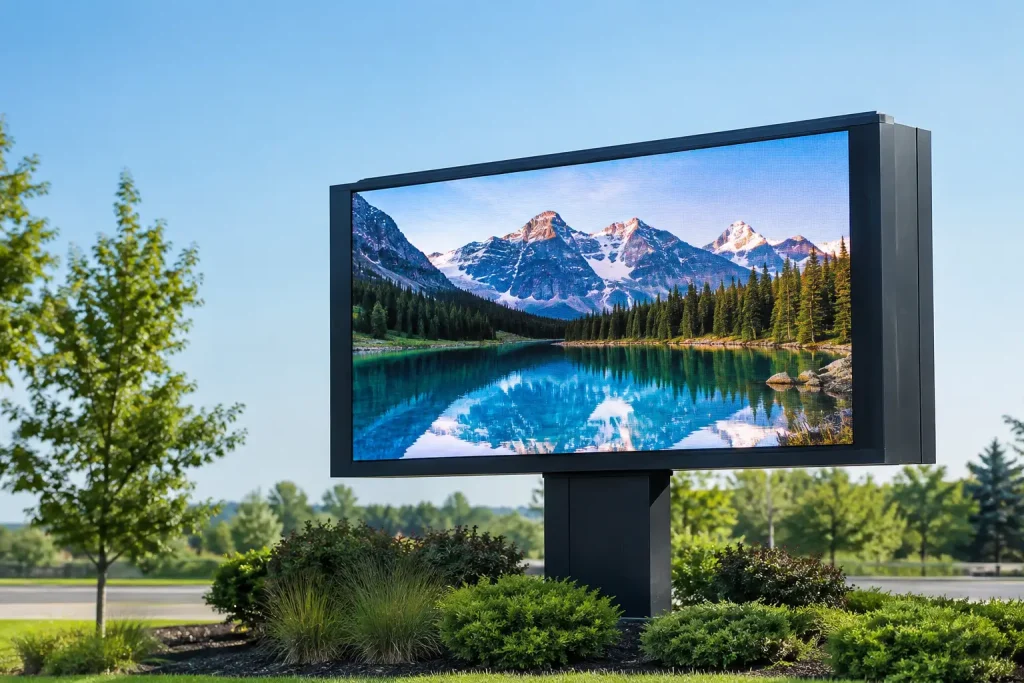
An electronic message center is a programmable LED sign display used to share changing text, graphics, images, schedules, and announcements. It is often incorporated into a monument sign, pylon sign, building sign, or freestanding campus display. Unlike a fixed-panel sign, it gives the owner control over timely information without the expense and delay of producing a new sign face for every promotion.
The best use is not always a constant stream of advertisements. For many commercial properties, the display is most valuable when it handles information that changes often: event notices, leasing messages, seasonal promotions, business hours, service alerts, community announcements, or tenant updates.
That flexibility makes electronic displays especially useful for restaurants, schools, churches, medical offices, shopping centers, banks, hospitality properties, and businesses located along busy roadways. The message can stay current while the permanent structure continues to carry the brand and location information people need every day.
Start With the Viewing Distance, Not the Screen Size
A display that looks impressive in a showroom can still be hard to read from the street. Before choosing size, resolution, or placement, consider where drivers and pedestrians will first see the sign, how fast traffic moves, and how much time they have to absorb the message.
For a sign facing a high-traffic road, large lettering and short messages usually matter more than packing in extra words. A driver may only have a few seconds to read the screen. If the display shows a phone number, several promotions, a detailed menu item, and a logo at once, the message may be too crowded to be useful.
Pixel pitch, the spacing between LED pixels, affects image quality and viewing distance. A tighter pixel pitch can create a sharper display for closer viewing, while a wider pitch may be appropriate for a sign read farther away. The right choice depends on the property, not on a one-size-fits-all specification.
Placement matters just as much. A sign needs a clear sightline that is not blocked by landscaping, parked vehicles, poles, building features, or future site improvements. It should also complement the rest of the sign package. A digital display that is undersized, awkwardly placed, or visually disconnected from the structure can weaken an otherwise strong identity sign.
Keep Messages Simple Enough to Read
The screen may be capable of animation and full-color graphics, but capability and effectiveness are different things. Clear messages tend to use a limited number of words, high contrast, readable type, and a single call to action. “Now Leasing,” “Lunch Special 11-2,” or “Welcome Conference Guests” can work at a glance.
Motion should support readability, not compete with it. Fast transitions, scrolling text, and constantly changing visuals can be difficult to read and may be restricted by local sign regulations. A well-planned content schedule is often more effective than trying to make every message move.
Permits, Codes, and Site Requirements Shape the Project
Digital signs are subject to more review than many customers expect. Local zoning rules may address sign height, display area, brightness, spacing from other signs, distance from roads or residential areas, message hold time, animation, and operating hours. Requirements can differ from one municipality to another, even within the same region.
That is why sign planning should begin before fabrication. A proposed display may need to work within an existing sign allowance, fit a permitted monument sign footprint, or meet rules specific to a commercial corridor. If a property is part of a shopping center, development, or homeowners association, private sign criteria may also apply.
Electrical requirements need attention, too. An electronic message center requires properly sized power, safe wiring, appropriate disconnects, grounding, and weather-rated components. In some cases, the sign project may involve trenching, new circuits, panel evaluation, or coordination with other electrical improvements on site.
Working with one team that understands both commercial signage and electrical work can reduce unnecessary handoffs. Rudnick Enterprises can coordinate design, engineering, permitting, fabrication, installation, and electrical needs so the project is managed as one connected scope of work rather than a collection of separate jobs.
Choose a Sign Structure Built for the Long Term
The display itself is only one part of the investment. Its cabinet, supporting structure, foundation, face materials, access points, wiring, and weather protection all affect how the sign performs over time.
For a new ground sign, a monument structure can give a property a permanent, substantial appearance while protecting the display at a practical viewing height. A pylon sign may be a better fit when visibility from a greater distance is necessary. Existing sign structures can sometimes be retrofitted, but that depends on structural condition, available space, power access, permit requirements, and whether the final appearance will still look intentional.
Louisville-area weather brings heat, cold, rain, wind, and seasonal temperature swings. Commercial-grade materials and proper installation are not optional details. The display cabinet should be designed for exterior use, mounted correctly, and accessible for future service. A low initial price can become expensive if the structure is poorly built or difficult to maintain.
Plan for Content Management Before Installation
Someone on your team will need to update the display. Before selecting a system, decide who will create messages, how often content will change, and whether several locations or departments need access. A property manager may need tenant announcements, while a restaurant manager may need quick control of daily offers.
The content software should be practical for the people using it. Training should cover basic scheduling, message changes, image sizing, and approval procedures. It also helps to establish a simple content standard: use approved brand colors, keep text legible, check spelling, and avoid trying to communicate too much in one screen.
If your staff does not have time to create new material constantly, that is not a reason to avoid a digital sign. It may simply mean the sign should run a smaller number of well-designed messages on a consistent schedule. Reliable, useful communication will do more for your brand than frequent updates made in a hurry.
Maintenance Protects Visibility and Investment
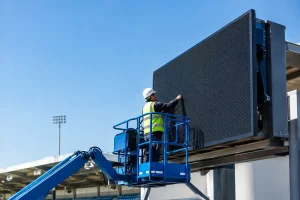
LED displays are designed for long service life, but they still need professional attention. Dirt, storm damage, electrical issues, communication problems, damaged modules, and fading or failed components can affect the appearance of the sign. A dark section on a display is highly visible, particularly at night.
Regular inspections help identify small concerns before they affect the full display. Maintenance may include checking connections, cleaning accessible surfaces, inspecting the cabinet and structure, testing brightness controls, reviewing electrical components, and addressing water intrusion or physical damage. For property managers, a service plan can also make it easier to respond when a sign needs attention without starting the vendor search from scratch.
Brightness deserves ongoing attention. A display should be visible in daylight without becoming distracting after dark. Automatic brightness controls can help the sign adjust to changing conditions, but settings should still be reviewed as part of service and content management.
Is an Electronic Display the Right Fit for Your Property?
An electronic message center is a strong choice when your business has timely information worth sharing and a location where people can safely see it. It is less useful when the property has limited visibility, strict sign restrictions, or no clear plan for keeping the content current. A well-designed static sign may be the better investment for a business whose brand message rarely changes.
The right answer often comes down to the site and the communication goal. A clear consultation can identify what drivers can see, what local rules allow, what electrical work is needed, and whether a new structure or retrofit makes sense. When those pieces are handled correctly, your sign becomes a dependable part of how customers find you, understand what you offer, and decide to stop in.
A message that is clear, timely, and easy to read can do more than fill a screen. It can give your property a reason to be noticed again tomorrow.