



A customer can decide whether to turn into your parking lot before they ever see your front door. From a busy Louisville corridor to a shopping center in Southern Indiana, large format signage gives your business the scale, clarity, and presence needed to be seen from the street. But a larger sign is not simply a smaller design enlarged. It has to work at a distance, hold up to weather, meet local requirements, and fit the building and electrical conditions behind it.
For business owners and property managers, that means the best result comes from planning the sign as part of the property, not as an afterthought. The right display can strengthen a brand, direct traffic, support tenant visibility, and give a facility a more professional appearance day and night.
What Large Format Means for Commercial Signage
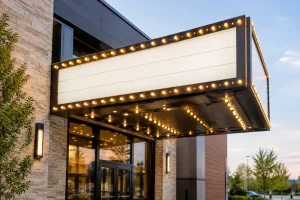
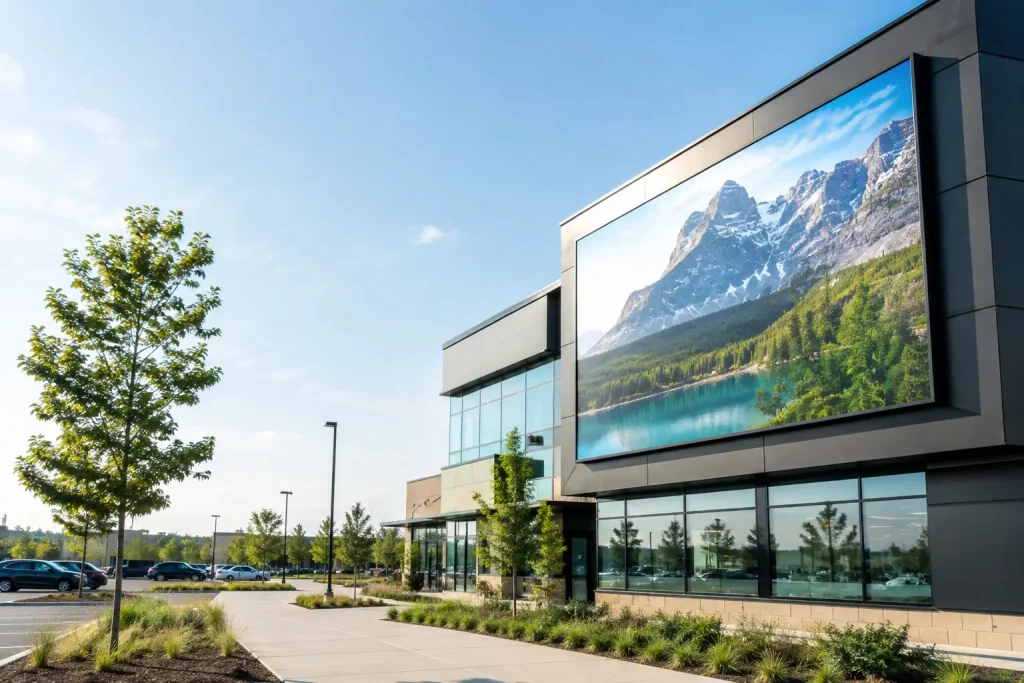
Large format generally refers to graphics and signs designed to be viewed across a parking lot, from a roadway, or at the scale of a building facade. It can include building-mounted identity signs, wall graphics, window graphics, monument signs, pylon signs, directional systems, banners, and digital displays. The right option depends on where people encounter your property and what they need to know when they get there.
Scale matters because viewing distance changes everything. Fine print, thin typefaces, low-contrast colors, and crowded layouts may look acceptable on a computer screen or printed proof. At 100 feet away, they can become unreadable. A large sign needs a clear hierarchy: the business name or primary message first, then only the supporting details that a driver or visitor can reasonably absorb.
Large format also involves real construction considerations. The sign may need engineered supports, secure attachment points, weather-rated materials, electrical service, access for future maintenance, and permits before installation begins. Those details are not glamorous, but they are what separate a display that looks good on opening day from one that continues performing for years.
Start With the Viewing Situation, Not the Artwork
The most useful question is not, “How big can we make it?” It is, “Who needs to see it, from where, and how quickly?” A restaurant on a fast-moving roadway has different needs than a medical office in a multi-tenant complex. A warehouse may need bold building identification for deliveries, while an office campus may need wayfinding that helps guests reach the correct entrance without confusion.
Consider the approach to the property. Are customers arriving by car, walking from nearby parking, or entering from several sides of the building? Is the sign competing with other storefronts, trees, utility lines, or visual clutter? Is it primarily intended for daytime recognition, nighttime visibility, or both? These answers guide the proper size, placement, color contrast, illumination, and message.
For multi-tenant properties, consistency is equally valuable. A coordinated monument sign, tenant panels, building numbers, and directional signs make the entire site easier to navigate. That improves the visitor experience and gives prospective tenants confidence that the property is well managed.
Design for Distance and Decision-Making
Large-format design should make a fast decision easy. A person driving by needs to recognize your name, understand what type of business you are, and find the entrance without straining to read a paragraph. That usually means fewer words, stronger contrast, and intentional use of open space.
Brand standards still matter, but they sometimes need thoughtful adaptation. A logo that works well on a business card may not translate directly to a large wall sign. Small taglines, intricate patterns, and delicate details may need to be simplified while preserving the brand’s core look. This is not a compromise in quality. It is designing for the way the sign will actually be used.
Color choices deserve practical review, too. Some color combinations lose contrast in bright sunlight or become difficult to read under certain lighting conditions. Material samples and mockups can help confirm that the finished sign will look right on the actual building rather than only on a monitor.
Materials Should Match the Location and Use
There is no single best material for every large format project. Exterior wall graphics, for example, need materials suited to the wall surface and local weather exposure. A sign over a primary entrance may need durable dimensional components and an illumination method that provides dependable visibility after dark. Temporary event signage has different needs from a permanent building identification system.
The location drives the decision. South-facing surfaces can receive intense sun exposure. Areas near traffic may collect dirt and road grime faster. High walls may require special installation access, while older structures may need an assessment of mounting conditions before fabrication. A good plan considers how the sign will be cleaned, serviced, and eventually updated or removed.
Illuminated large-format signs also require coordination with the electrical system. Existing circuits may be sufficient, or the project may require new power, upgrades, disconnects, or troubleshooting before the sign can be safely installed. Working with a team that understands both signage and electrical work helps prevent avoidable delays between fabrication and installation.
Permits, Engineering, and Local Requirements Matter
A sign that attracts attention for the wrong reason is not an asset. Municipal rules can affect sign area, height, placement, illumination, setback, mounting method, and digital display operation. Requirements vary by jurisdiction and can also differ based on zoning, road classification, building type, or whether the property is in a special district.
That is why permit coordination should begin early, before final production. A proposed layout may need adjustment to meet local rules, and structural or electrical documentation may be required for certain installations. Waiting until a sign is fabricated to address these issues can add cost and extend the schedule.
Experienced project management keeps these moving parts organized. It connects the design with site measurements, engineering needs, permit submittals, production timing, electrical preparation, and installation logistics. For the customer, the goal is simple: fewer vendors to coordinate and fewer surprises once work is underway.
Installation Is Where Planning Becomes Visible
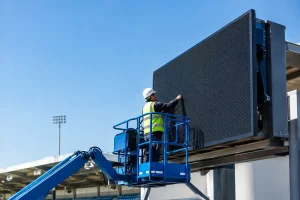
The installation day is only one part of the project, but it is the part everyone notices. Proper installation protects the building, supports the sign correctly, and presents the finished work cleanly. Depending on the project, it may involve lifts, traffic control, specialized mounting hardware, electrical connections, and coordination around business hours or tenant operations.
For an occupied retail center, restaurant, medical office, or hospitality property, minimizing disruption matters. Installation planning should account for customer access, delivery schedules, parking areas, and safety around the work zone. Sometimes work can happen during lower-traffic hours. Other times, a phased approach is more practical. The right approach depends on the site and the scope of the sign.
After installation, test the sign from the viewpoints that matter. Walk the parking lot. View it from the road. Check it after dark if lighting is part of the project. A sign can be securely installed and still need a final adjustment to its brightness, viewing angle, or surrounding wayfinding.
Plan for Maintenance Before You Need It
Large-format signs are a long-term investment, and they need occasional attention. Weather, sun, storms, electrical components, building changes, and ordinary wear can affect appearance and performance. Regular inspections can catch loose hardware, damaged graphics, moisture concerns, fading, or lighting issues before they become more expensive repairs.
Property updates are another reason to maintain a relationship with a qualified sign and electrical contractor. A new tenant, rebrand, expansion, remodel, or updated parking pattern can create a need for revised graphics, directional signs, electrical modifications, or removal of old displays. Having one responsive team familiar with the site makes those changes far less complicated.
Rudnick Enterprises approaches large format work as a complete project, from the first conversation through design, permitting, fabrication, installation, and ongoing service. Whether your business needs a highly visible building sign, a coordinated property system, or graphics that turn an unused wall into a branding opportunity, the practical details deserve as much attention as the finished look.
The best time to discuss a large-format sign is before a lease signing, renovation, grand opening, or rebrand locks in the schedule. Early planning gives you more options, protects your budget, and helps ensure the first thing customers see is a clear, professional reason to stop in.