



A sign may be the first thing a customer notices about your business, but it cannot be treated as a simple decoration. Professional sign manufacturing combines branding, materials, structural requirements, electrical work, local codes, and installation planning. When any one of those pieces is overlooked, a sign that looked good in a drawing can become a costly delay, a maintenance problem, or a poor reflection of the business below it.
For business owners, property managers, developers, and retail operators, the goal is not simply to get a sign made. The goal is to put a durable, visible, code-compliant sign in place with as little disruption and coordination burden as possible.
What Sign Manufacturing Really Includes
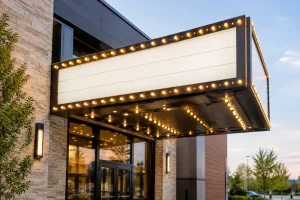
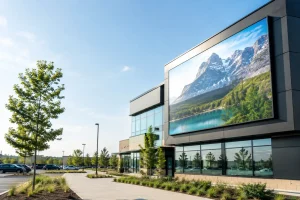
Sign manufacturing is the process of turning a brand concept into a finished, install-ready sign system. Depending on the project, that can include a building-mounted identification sign, illuminated channel letters, a monument sign, tenant panels, directional signage, interior graphics, parking signs, or digital displays.
The fabrication itself matters, but it is only one stage of the work. A reliable project begins with a clear understanding of the site. Is the sign mounting to brick, concrete, metal panels, or a storefront canopy? Is power already available where it is needed? Does the property have landlord requirements, a tenant sign criteria package, or a local design review process? Will the sign be visible from the road, or does landscaping, traffic flow, and building placement change the best location?
These questions affect the final sign type, size, mounting method, illumination, budget, and schedule. A contractor who can address design, electrical infrastructure, permitting, fabrication, and installation together helps prevent gaps between separate vendors.
Start With Visibility, Not Just a Logo
A strong logo does not automatically create a strong sign. Letter height, contrast, viewing distance, lighting conditions, and the speed of nearby traffic all influence whether people can actually read it.
For example, a restaurant along a busy commercial corridor may need bolder letterforms and stronger nighttime visibility than a professional office located within a slower-paced business park. A multi-tenant property needs signage that helps visitors find the right suite without creating visual clutter. A monument sign may need replaceable tenant panels so future leasing changes do not require rebuilding the entire structure.
This is where early consultation pays off. The right sign should fit the brand, but it also has to work for the real-world conditions around it. Choosing the largest possible sign is not always the answer. A better approach is to balance visibility with property restrictions, local code, architecture, and long-term service needs.
Materials Should Match the Environment
The material selection behind a sign is not an afterthought. Aluminum, acrylic, formed plastic, high-performance vinyl, steel supports, and routed composite panels each serve different purposes. The best choice depends on the sign design, exposure to weather, planned lighting, and mounting location.
Outdoor signs in Kentucky and Southern Indiana must handle heat, rain, wind, winter temperature changes, and regular sun exposure. Lower-cost materials can be appropriate for temporary promotions or short-term graphics, but they may not be a good fit for permanent building identification. A durable exterior sign typically costs more upfront than a temporary solution, yet it can reduce replacement, fading, water intrusion, and repair issues over time.
The same principle applies to finishes. Colors should remain recognizable in daylight and at night, while protective coatings and properly sealed components help preserve the appearance of the sign after installation.
Engineering and Electrical Work Cannot Be Separate Thoughts
A sign that is mounted incorrectly can damage a building facade, create safety concerns, or fail during severe weather. Larger wall signs, freestanding signs, and illuminated systems often require engineering review to confirm that the structure, foundations, fasteners, and mounting approach are appropriate for the site.
Electrical planning deserves the same attention. Illuminated letters, cabinet signs, digital displays, and parking lot-facing signs may require new circuits, disconnects, conduit, transformers, or repairs to existing electrical infrastructure. If the electrical portion is left until late in the project, it can create avoidable delays and change orders.
A full-service contractor can evaluate those requirements before fabrication is complete. That gives the project team time to coordinate access, locate power, address panel capacity, and plan any necessary trenching or wall penetrations. The result is a cleaner installation and fewer surprises on install day.
Permits Shape the Schedule for Sign Manufacturing
Permitting is one of the most common reasons a sign project takes longer than expected. Cities and counties may regulate sign area, height, illumination, setbacks, placement, structural details, electrical connections, and the number of signs allowed on a property. A shopping center or office complex may add its own standards on top of local requirements.
The permit process is not a formality. It may require site plans, elevations, electrical information, structural details, landlord approval, and documentation that matches the final sign design. If a proposed sign exceeds what the local ordinance allows, the project may need redesign, additional review, or a variance process.
That does not mean a business owner should settle for a weak sign. It means the plan should be developed with code requirements in mind from the beginning. Knowing the rules early allows for practical alternatives, such as adjusting sign dimensions, changing placement, or using a different sign configuration that still supports visibility and branding.
At Rudnick Enterprises, this coordination is part of making the process simple for customers. Rather than leaving an owner to sort out sign details, electrical requirements, and permit questions across several companies, one experienced team can manage the work from concept through installation.
Fabrication Is Where Details Become Permanent
Once design, approvals, and site conditions are confirmed, fabrication begins. Accuracy at this stage matters because small mistakes can be difficult to correct once materials are cut, painted, wired, or assembled.
Fabrication may involve routing panels, forming letters, applying vinyl graphics, assembling illuminated components, welding sign structures, preparing mounting hardware, and testing electrical elements before the sign reaches the property. Quality control should check more than appearance. It should also confirm dimensions, spelling, color matching, lighting consistency, drainage, access to serviceable components, and the condition of all mounting parts.
For multi-location businesses and commercial properties with several tenants, consistency is especially valuable. Signs should follow established brand standards while still fitting the unique conditions of each building. A sign program that works on one facade may need adjustments on another due to setbacks, construction type, available power, or local ordinances.
Installation Should Protect the Property and the Schedule
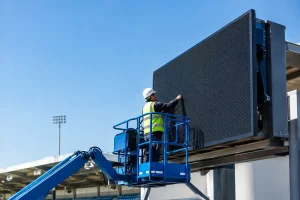
Installation is the point where a finished sign becomes a functioning part of the property. Crews may need lifts, traffic control, roof access, coordinated electrical shutdowns, after-hours work, or careful scheduling around customers and tenants. For active restaurants, stores, medical offices, and hospitality properties, minimizing disruption is often as important as the installation itself.
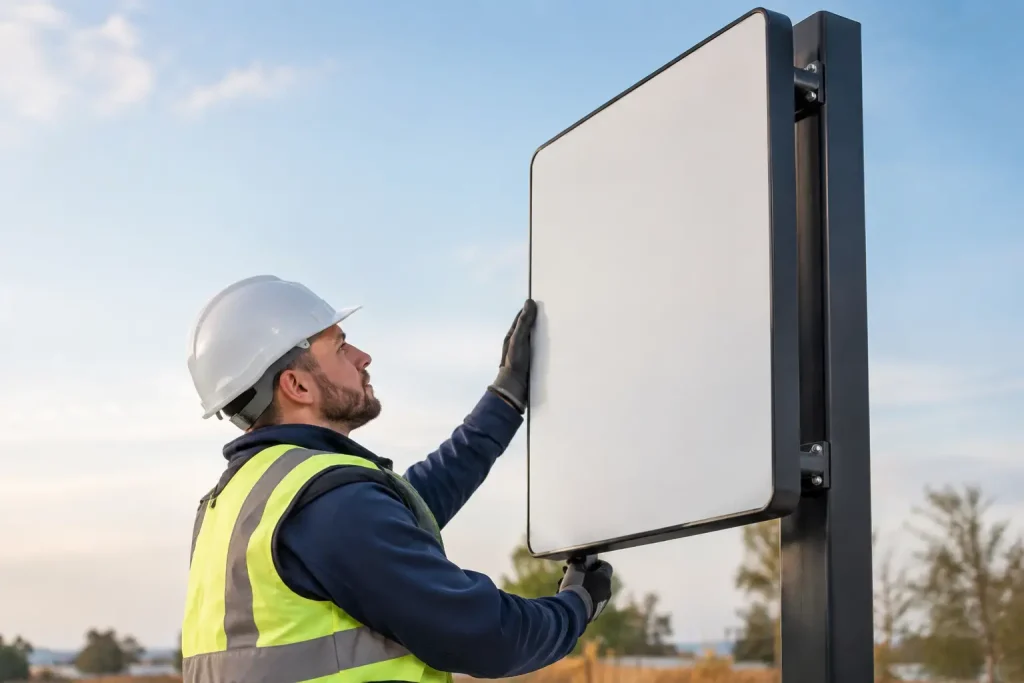
An experienced installer plans for the job site before arriving. That includes verifying measurements, access routes, mounting surfaces, equipment needs, power connections, and weather conditions. Proper installation also means protecting the facade, sealing penetrations correctly, securing components, testing illumination, and leaving the work area clean.
For freestanding signs, the work may include excavation, concrete foundations, structural support installation, electrical connections, and final panel placement. These are construction projects as much as signage projects, which is why coordination matters.
Plan for Service Before the Sign Needs It
Even a well-built sign will eventually need attention. Lighting components age, electrical connections can fail, graphics may need updating, and storms or vehicle impacts can create unexpected damage. A service plan helps protect the investment and keeps a business from appearing closed, neglected, or difficult to find.
Property managers often benefit from periodic inspections of illuminated signs, monument structures, and wayfinding systems, especially at multi-tenant locations. Service technicians can identify loose components, water intrusion, damaged faces, inconsistent lighting, and electrical issues before they become larger repairs.
When a tenant changes, timely panel updates and removal work also help keep the property professionally presented. A vacant or outdated sign sends the wrong message to prospective tenants and customers alike.
A well-made sign should do more than display a name. It should help people find the right place, strengthen the property’s appearance, and keep working through the seasons. The right manufacturing and installation partner makes that happen with careful planning, dependable workmanship, and a willingness to handle the details that do not show up in a logo file.